The Farm That Decided the Food System Was Too Fragile to Trust
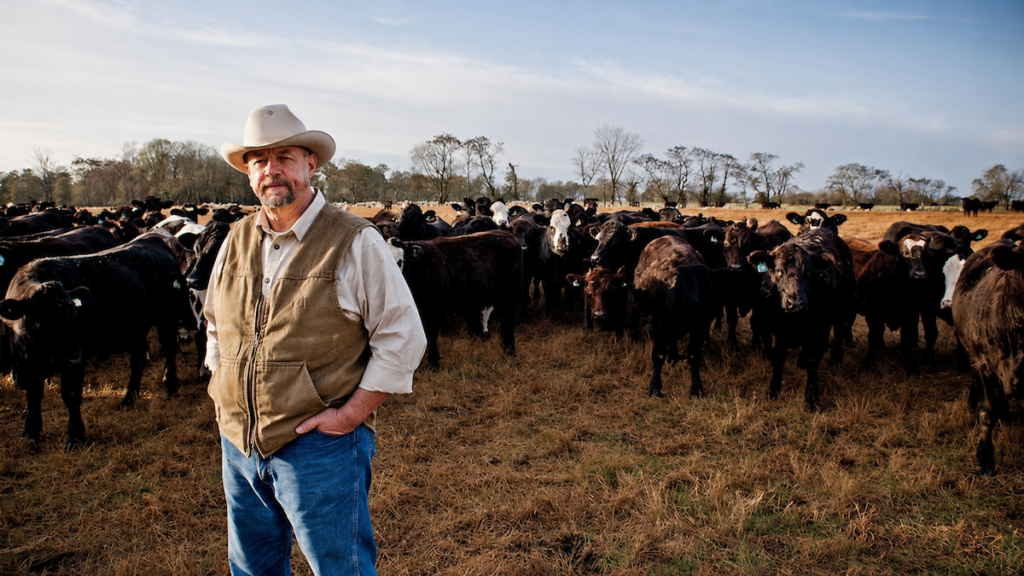
At White Oak Pastures, regeneration is not just a grazing method. It is a business model.
In Bluffton, Georgia, the future of food does not look like an app, a venture-backed protein substitute, or another label on a grocery-store package. It looks like a farm that decided the modern food system was too fragile, too opaque, and too detached from the land to be trusted on its own terms.
White Oak Pastures is often described as a regenerative farm. That is true, but incomplete. The better description is more ambitious: White Oak Pastures is a working attempt to rebuild a food system in miniature.
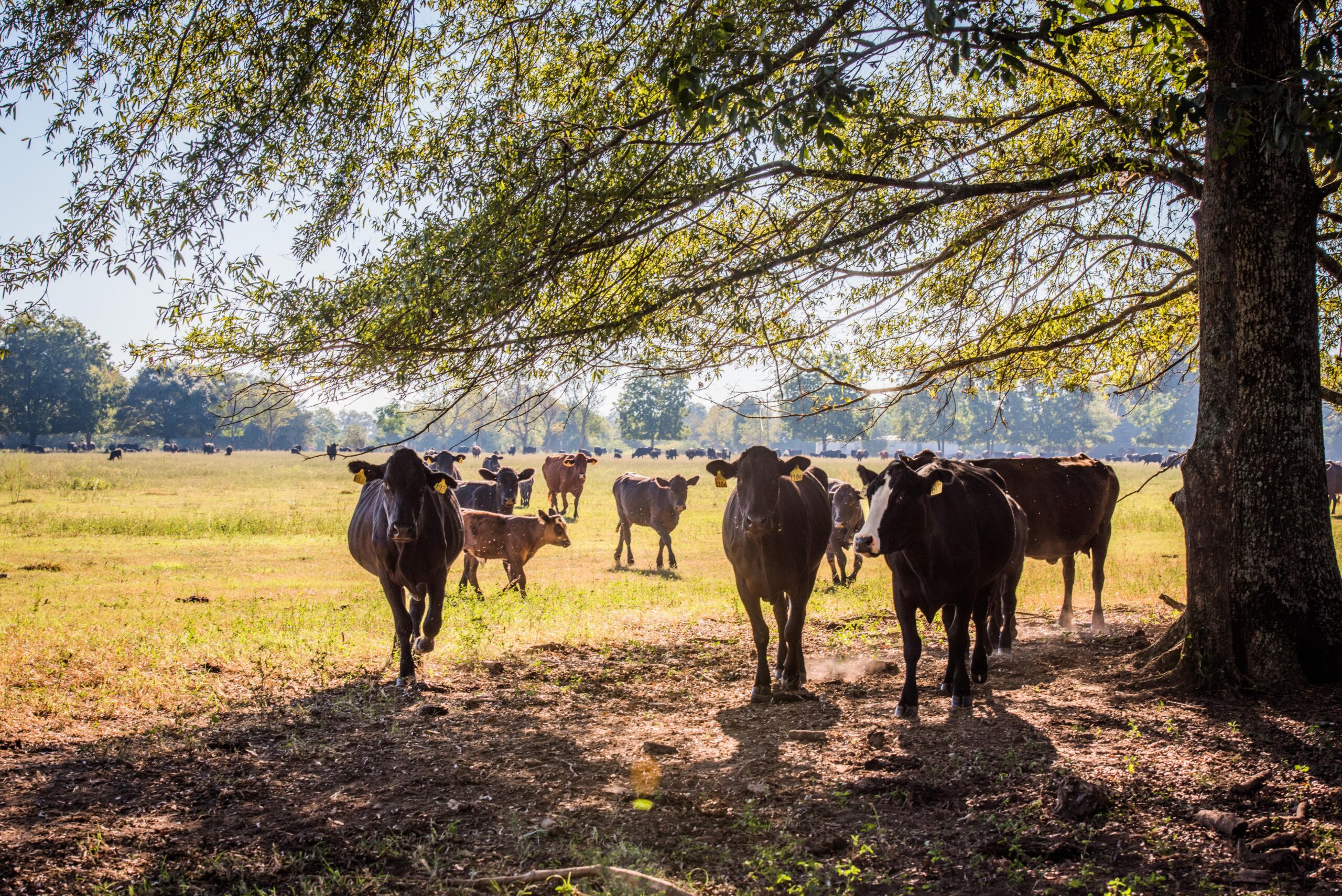
The cattle are not merely raised there. They are moved across pasture. The soil is not treated as a surface to extract from, but as a living asset to rebuild. The animals are not shipped away into the anonymity of industrial processing. They are slaughtered and processed on the farm. The hides, bones, blood, fat, and viscera do not vanish as waste. They become leather goods, pet chews, tallow products, compost, fertilizer, and soil amendments.
That is the story. Not simply grass-fed beef. Not simply humane animal treatment. Not simply a charismatic farmer with a contrarian streak. White Oak Pastures matters because it exposes a question most Americans rarely ask: What would food cost, and what would it mean, if a farm took responsibility for the whole chain?
For decades, American agriculture has been celebrated for efficiency. It can produce more, move more, process more, and sell more at lower apparent cost than almost any system in history. But efficiency has a habit of hiding fragility until something breaks. During the pandemic, consumers saw empty shelves. Farmers saw animals with nowhere to go. Processing bottlenecks became dinner-table reality. A food system built for speed found itself short on slack.
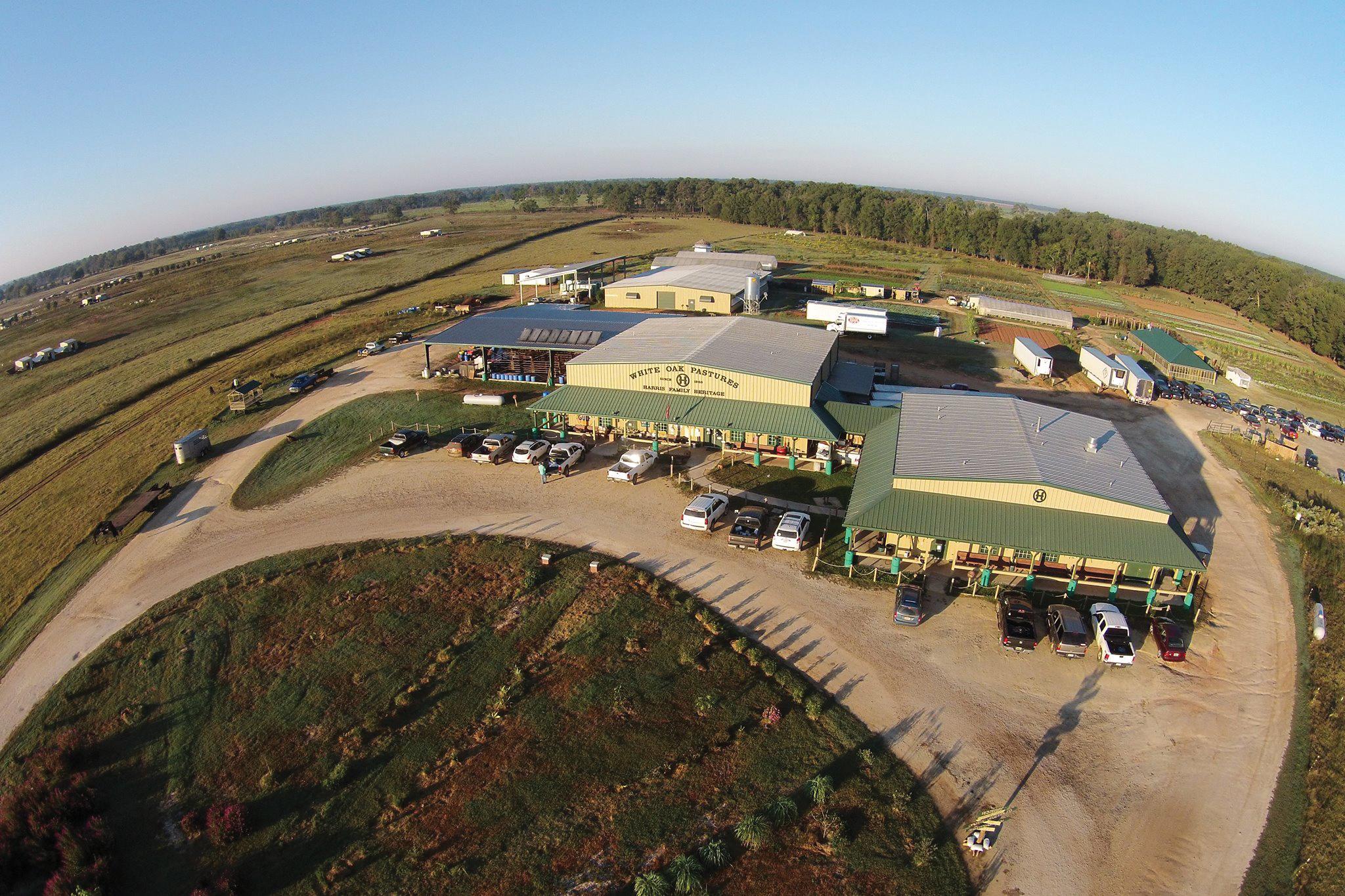
White Oak Pastures had already chosen a different path. Its model is slower, more expensive, more labor-intensive, and less convenient to explain. But it is also more resilient. The farm raises multiple species, operates its own red-meat and poultry processing, sells directly to customers, hosts visitors, runs a general store, and has become one of the largest private employers in a small rural community.
That is not nostalgia. That is infrastructure.
Will Harris, the fourth-generation cattleman behind White Oak Pastures, did not begin as a regenerative evangelist. He inherited a conventional cattle operation and spent years doing what the system rewarded. Then he began to change course. The shift was risky, costly, and, by his own telling, not immediately profitable. The farm moved away from the industrial logic of specialization and toward something older and more complex: animals on pasture, multiple species, long recovery periods, on-farm processing, and a closer relationship with the people eating the food.
The result is a farm that challenges two powerful assumptions at once.
The first assumption is that regeneration is mainly a set of field practices. It is not. Grazing matters. Soil biology matters. Organic matter matters. But if the farmer remains trapped in a commodity system, the benefits of better land management can still be captured or diluted elsewhere. A regenerative farm that cannot process, market, or sell on fair terms remains vulnerable to the same consolidated supply chain that weakened rural communities in the first place.
The second assumption is that consumers can fix food simply by buying better labels. Labels help, but they are not the same as knowledge. “Product of USA,” “grass-fed,” “natural,” and even “regenerative” can become soft words unless there is a real person, place, and production system behind them. The new federal attention on “Product of USA” labeling shows how long consumers have been asked to trust phrases that did not always mean what they thought.
White Oak Pastures has built its reputation around a more demanding proposition: come see it. See the pasture. See the animals. See the processing. See the town. See the costs and the tradeoffs.
That transparency is uncomfortable because meat is uncomfortable. A living animal becomes food. Industrial agriculture has handled that discomfort by moving it out of sight. White Oak Pastures handles it by bringing it back into moral view. The farm’s argument is not that death disappears in a better food system. The argument is that responsibility should not disappear.
That is why the processing plant matters so much. On-farm slaughter is not just a logistical detail. It is a philosophical line in the sand. The animal does not leave the farm for an anonymous final chapter. Workers are trained as skilled people, not as interchangeable parts on a hyper-speed line. Waste is treated as a design failure, not an inevitability. The farm’s zero-waste approach turns byproducts into value streams and returns nutrients to the land.
This is where White Oak Pastures becomes more than a farm profile. It becomes a business case.
A farm that regenerates land but cannot generate revenue will not be copied at meaningful scale. A farm that creates jobs, sells direct, hosts visitors, builds trust, and keeps more value in the local community has a different kind of power. It suggests that regeneration is not only ecological repair. It is economic redesign.
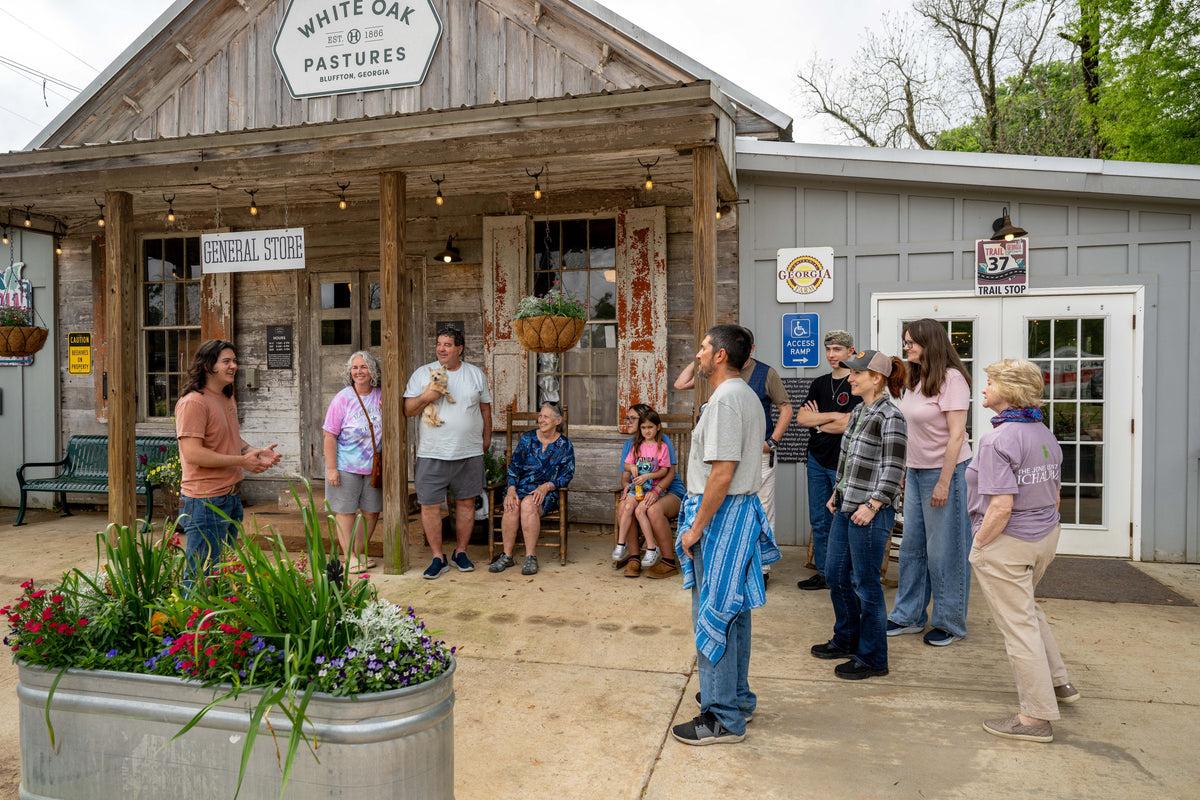
The numbers tell part of the story. White Oak Pastures grew from a small cattle operation into a diversified enterprise employing more than 160 people. It helped revive activity in Bluffton, a town that had suffered the familiar decline of rural America. It created work not just for cowboys, but for butchers, leatherworkers, cooks, hospitality staff, fulfillment teams, and farm educators.
That is what the conventional food system often removes from a place: not only soil life, but skilled work.
Farm Hero’s visit to White Oak Pastures lands because the story is not abstract. You can see the cattle move. You can see the grass rest. You can see the processing plant. You can see the store and the restaurant. You can see the family. The farm makes visible what industrial food has trained consumers not to notice.
There are hard questions here, and they should not be dodged. Can a model like this feed everyone? Can it compete on price? Can consumers afford the real cost of meat raised, processed, and sold this way? Can land-intensive systems scale without tradeoffs?
White Oak Pastures does not make those questions disappear. It makes them more honest.
Because the competing question is rarely asked with the same seriousness: Can the current extractive system continue indefinitely? Can cheap food remain cheap once soil loss, rural decline, animal confinement, supply-chain fragility, public health, and consumer mistrust are counted honestly?
The genius of White Oak Pastures is that it refuses to separate those ledgers. Soil, animal welfare, processing, labor, rural revival, and consumer choice are not different departments. They are one system.
For Farm Hero, that makes White Oak Pastures a defining story. It shows why “Know your farmer. Know your food.” is not a slogan about sentiment. It is a strategy for rebuilding trust in a food economy that has hidden too much from the people who fund it three meals a day.
The American consumer has been taught to look for price, convenience, and a handful of reassuring words on a package. White Oak Pastures asks for a harder form of participation. Look past the label. Look at the land. Look at the chain. Look at who benefits. Look at who bears the cost.
Then decide what kind of food system deserves to survive.
Related Resources
- Our Farm — White Oak Pastures
- Our Core Values — White Oak Pastures
- What A Resilient Production System Looks Like — White Oak Pastures
- COVID-19 Working Paper: COVID-19 and the U.S. Meat and Poultry Supply Chains — USDA Economic Research Service
- USDA Finalizes Voluntary “Product of USA” Label Claim to Enhance Consumer Protection — U.S. Department of Agriculture
- Concentration in U.S. Meatpacking Industry and How It Affects Competition and Cattle Prices — USDA Economic Research Service

Related Posts
After extreme drought forced the West Texas ranch to remove its cattle
 FARM PROFILE
Blue Heron Farm Turns High-Desert Constraints Into a Regenerative Agriculture Model
FARM PROFILE
Blue Heron Farm Turns High-Desert Constraints Into a Regenerative Agriculture Model
Farmer Rachel Kulchin was named the recipient of the second annual Good Farmer Award U.S.,