Blue Heron Farm Turns High-Desert Constraints Into a Regenerative Agriculture Model
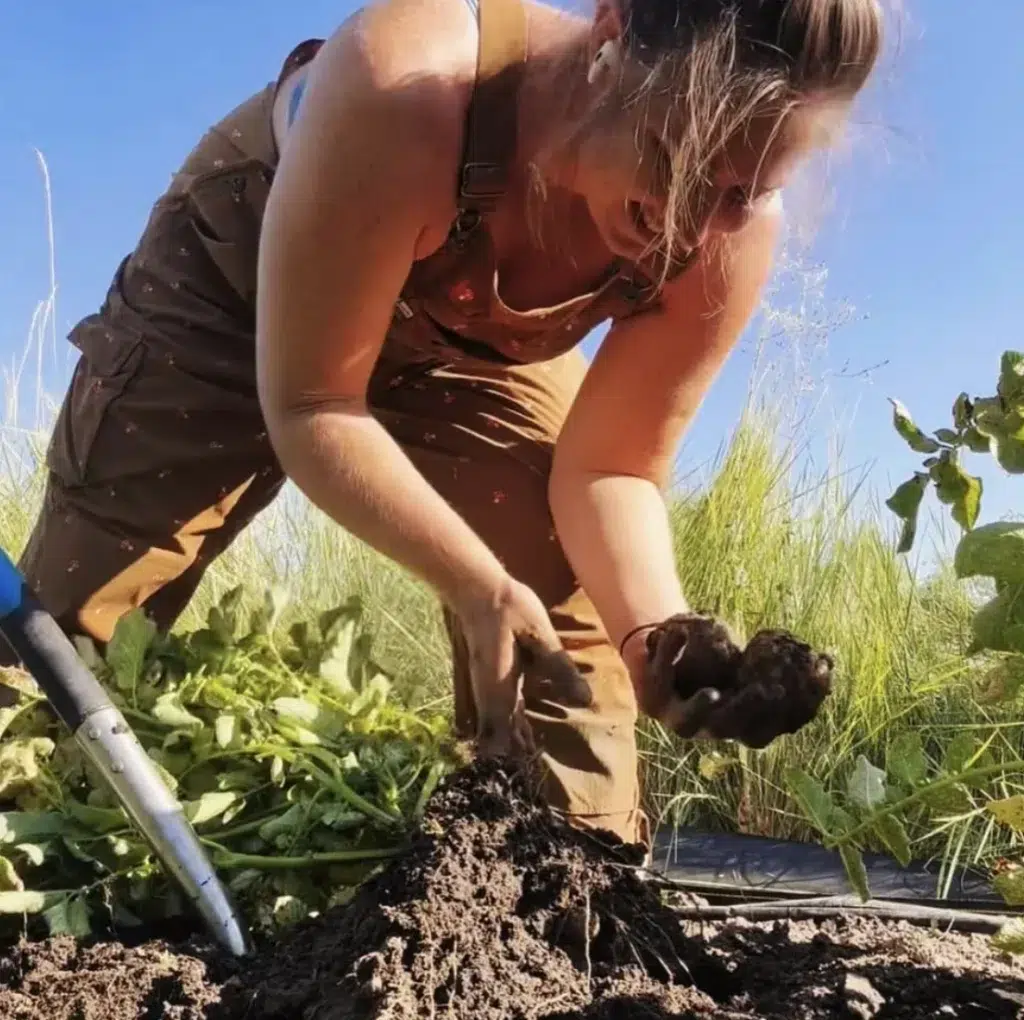
Blue Heron Farm, a 10-acre orchard and vegetable operation in Bishop, California, is gaining national attention for showing how a diversified local food system can take root in a dry, isolated agricultural region.
On April 22, 2026, farmer Rachel Kulchin was named the recipient of the second annual Good Farmer Award U.S., presented by Rodale Institute and Davines Group. The award recognizes early-career farmers whose regenerative organic work contributes to environmental restoration and stronger communities.
A Farm Built for a Difficult Growing Region
Blue Heron operates in California’s Eastern Sierra, where limited water, an unpredictable high-desert climate and a thin local food infrastructure create significant challenges for growers. The farm combines more than 1,000 fruit trees with mixed vegetable fields, poultry and small livestock.
According to the farm, its management focuses on soil health, biodiversity and long-term resilience. Food is sold through a farm stand, community-supported agriculture memberships, wholesale relationships and, when harvests allow, a U-Pick orchard.
The farm’s public-facing model also brings consumers directly onto the land. Visitors can collect produce, walk through the orchard and see how food is grown, creating a direct connection between agricultural practices and the people who depend on the harvest.
More Than 47,000 Pounds in One Season
Rodale Institute reported that Blue Heron produced more than 47,000 pounds of food and connected with more than 3,000 customers during its first season under Kulchin’s operation. The institute described it as the region’s largest diversified fruit and vegetable producer.
“Rachel embodies the resilient, systems approach that regenerative organic agriculture demands,” Rodale Institute CEO Jeff Tkach said in the award announcement. He said the farm was producing food, restoring soil health and encouraging the surrounding community to reconsider what local food security could look like in a challenging climate.
The award was selected from 118 applicants across 25 states. Judges assessed farms on factors including biodiversity, climate resilience, environmental stewardship and community impact.
Kulchin said the recognition affirmed the farm’s effort to build a different kind of food system in the Eastern Sierra.
“Our goal is not just to grow food, but to demonstrate that regenerative agriculture can thrive in challenging climates and build the resilience our valley desperately needs,” Kulchin said.
Water Infrastructure Is the Next Investment
The $10,000 award will be directed primarily toward water conservation. Rodale Institute said 90% of the funding is planned for orchard irrigation and other water infrastructure, while the remaining 10% will support educational signs and demonstration areas.
That investment addresses one of the farm’s most immediate constraints. Blue Heron’s website reported that its U-Pick orchard would not open during the 2026 season because an unpredictable spring reduced fruit set and left insufficient abundance for public harvesting.
Rather than treating the closure as a failure, the farm described it as part of managing harvests within what the orchard can sustainably provide. The farm stand and its other produce programs remain active.
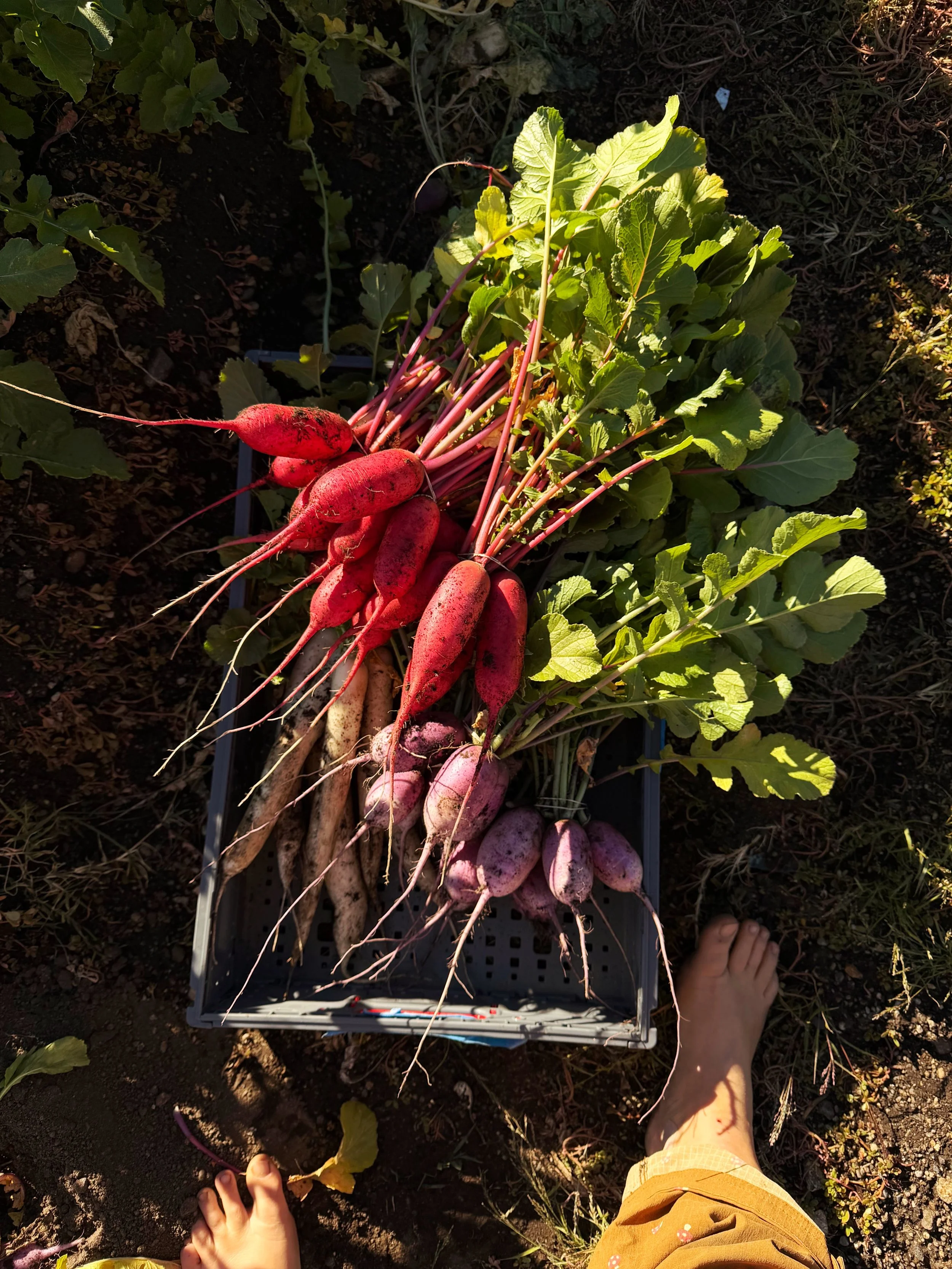
Image: Freshly harvested radishes at Blue Heron Farm. Source: Blue Heron Farm.
Regeneration Through Diversity and Local Access
Blue Heron’s work reflects a form of regenerative agriculture shaped by local limitations rather than a fixed checklist. Diversified crops spread production risk, living roots and organic inputs can support soil function, and efficient irrigation can help the farm make better use of scarce water.
The operation also connects land regeneration with food access. Its CSA, farm stand, wholesale partnerships, workshops and new 2026 work-trade program provide several ways for residents to obtain food or participate in the farm.
The farm is currently open to the public several days each week, according to its posted summer schedule.
Blue Heron’s recent award does not establish that its model will work everywhere. It does provide a closely watched example of how a relatively small farm is combining regenerative practices, community participation and water-focused investment in a region where nearly all food is brought in from elsewhere.
Related Resources

Related Posts
After extreme drought forced the West Texas ranch to remove its cattle
At White Oak Pastures, regeneration is not just a grazing method. It is a business model. In Bluffton, Georgia, the…