Know your farmer, know your food: Record farm-to-school grants widen the path from local farms to lunch trays
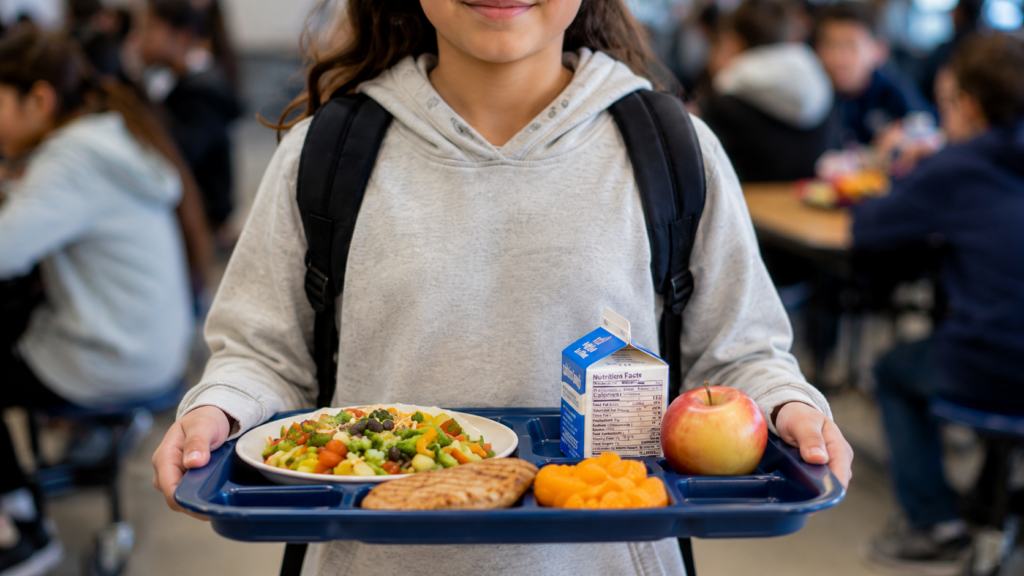
WASHINGTON — A record federal investment in farm-to-school projects is creating new opportunities for farmers to sell food directly into school systems, while giving students more ways to learn who grew their food and how it was produced.
On July 7, 2026, the U.S. Department of Agriculture announced that it had awarded nearly $20 million to 68 Patrick Leahy Farm to School Grant projects. USDA described the awards as the largest single-year financial investment in the program’s history.
The grants support local food purchasing, school gardens, agricultural education, taste tests and farm visits. USDA Secretary Brooke Rollins called the investment a “win-win-win for kids, farmers, and communities,” pointing to school systems as dependable customers for American producers.
What the new grants will do
In Mississippi’s Delta region, the Jefferson County School District plans to restore underused greenhouses, grow vegetables and herbs for cafeteria meals and establish purchasing relationships with four local farms. Students will also visit the farms as part of the district’s agricultural education work.
In Arkansas, the WSBZ Farm to School Implementation Project will bring Arkansas-grown specialty crops into meals across all 11 Bryant Public Schools. The project is intended to increase access to locally produced food while creating additional economic opportunities for growers.
Those projects are part of a program that has awarded more than $119 million to over 1,265 projects since 2013, reaching every state as well as the District of Columbia and several U.S. territories.
The latest grants follow a separate March announcement in which USDA awarded more than $26.8 million through the Local Agriculture Market Program. That funding supports farmers markets, community-supported agriculture programs, food hubs, processing, distribution and partnerships between producers and institutions such as schools and hospitals.
Together, the programs address two sides of the same challenge: helping institutions find local suppliers and helping farmers build the capacity to serve larger, more consistent markets.
The regenerative opportunity — and its limits
Local food is not automatically regenerative food. A farm can be located near a school while still using production methods that do little to rebuild soil, increase biodiversity or improve water retention.
The farm-to-school grants also do not certify that participating producers use cover crops, reduced tillage, compost, managed grazing or other regenerative practices. They are market and education grants, not production standards.
Their regenerative potential lies in the shorter connection between buyer and producer. When schools know which farm supplied their vegetables, meat or dairy products, procurement teams can ask direct questions about soil management, chemical use, crop diversity, livestock integration and conservation practices.
That transparency may become increasingly important as researchers examine whether soil-building practices influence food quality. A preliminary 2022 comparison found differences in soil health and some nutrients and phytochemicals between paired regenerative and conventional farms, but the authors emphasized the study’s small sample size. A later scoping review of regenerative practices and crop micronutrients concluded that the available evidence remained inconsistent and called for better-designed research.
Farm-to-school purchasing therefore offers a way to connect students with farms using regenerative methods, but the environmental and nutritional outcomes will depend on which suppliers schools select and what those farms do on the land.
A working example in Indiana
A separate USDA Natural Resources Conservation Service profile published July 14 shows what a local regenerative supplier can look like.
Atchley Family Farm in Lafayette, Indiana, grows fruits, vegetables, herbs and flowers for farmers markets and a community-supported agriculture program. The family has used cover crops, compost, wildlife habitat plantings, high tunnels and no-dig growing areas while working to rebuild soil previously managed for row crops.

Image: Members of the Atchley family at Atchley Family Farm in Lafayette, Indiana. Source: USDA Natural Resources Conservation Service.
The farm is Certified Naturally Grown, a peer-review certification used primarily by direct-market producers who commit to avoiding synthetic chemical pesticides, fungicides and fertilizers while conserving soil, water and other natural resources.
The Atchleys are not identified as recipients of the newly announced farm-to-school grants. Their operation instead illustrates the type of small, community-facing farm that could benefit when institutions create dependable local purchasing relationships.

Image: Covered vegetable rows at Atchley Family Farm. Source: USDA Natural Resources Conservation Service.
The direct connection also gives customers a chance to understand the difference between labels and farming practices. Brittani Atchley told NRCS, “People are curious about the difference, and it’s great to be able to educate and allow people to decide what their preferences are.”
That conversation is harder to have when ingredients move through long supply chains without clear farm identification.

Image: High tunnels at Atchley Family Farm in Lafayette, Indiana. Source: USDA Natural Resources Conservation Service.
What to watch as the projects begin
The central question is whether grant recipients can turn temporary project funding into lasting purchasing relationships.
Small and regenerative farms may still face barriers involving delivery schedules, food-safety requirements, insurance, processing capacity, seasonal availability and the volume of food a school district needs. Food hubs and cooperative distribution systems can help bridge that gap, but those intermediaries require stable financing and enough participating farms to operate efficiently.
Pricing will also matter. A school may want locally grown food but still be constrained by meal budgets and procurement rules. A farmer may want an institutional customer but be unable to accept a price that does not cover labor, transportation and production costs.
The grants provide schools with resources to work through those challenges. They do not guarantee that small farms will receive contracts or that regenerative practices will be prioritized.
For families interested in making similar connections outside school cafeterias, USDA maintains a National Farmers Market Directory with market locations, operating times, available products and accepted forms of payment.
The broader update is that more public food dollars are being directed toward identifiable farms and regional supply chains. Whether that shift also strengthens regenerative agriculture will be determined farm by farm, contract by contract and field by field.
Related Resources

Related Posts
 FEATURED
Water Is the Real Test of a Healthy Farm
FEATURED
Water Is the Real Test of a Healthy Farm
A field can look green and still be in trouble. A pasture can seem productive and still be losing strength.…
 FEATURED
Why Consumers Have More Power Than They Think
FEATURED
Why Consumers Have More Power Than They Think
Most people do not run a ranch, manage a pasture, or decide how a field gets planted. They do make…