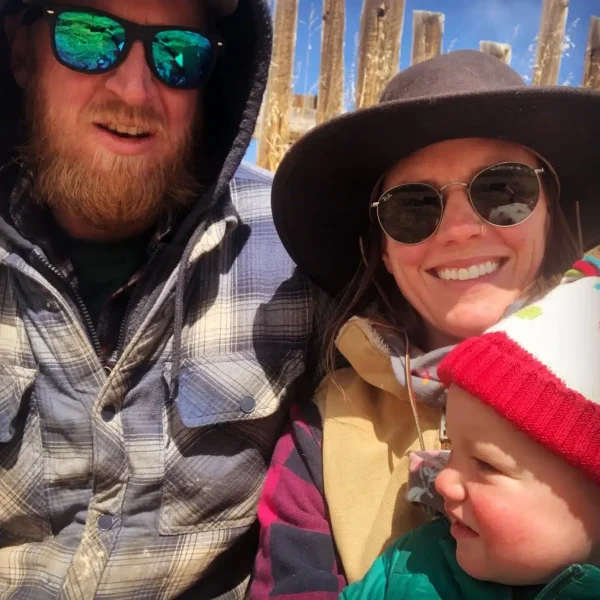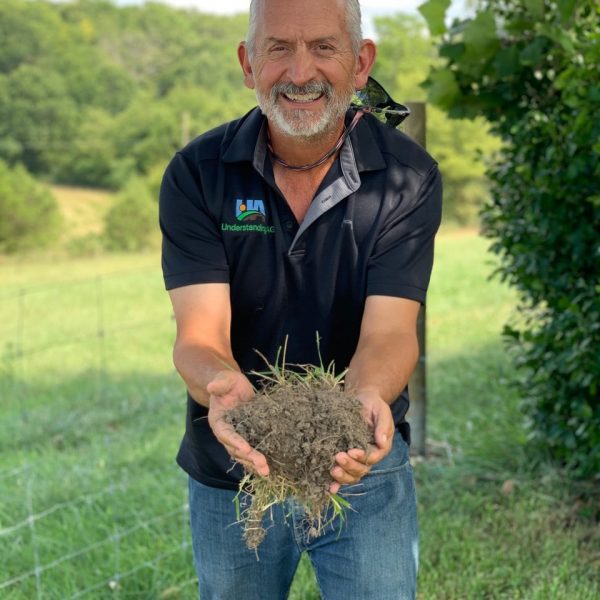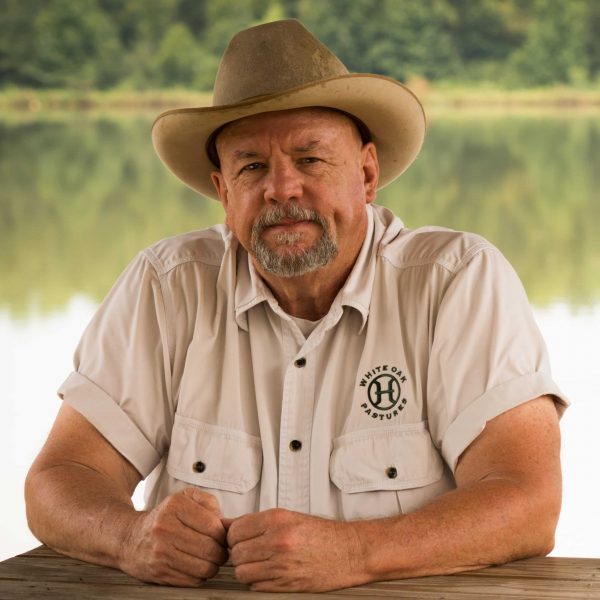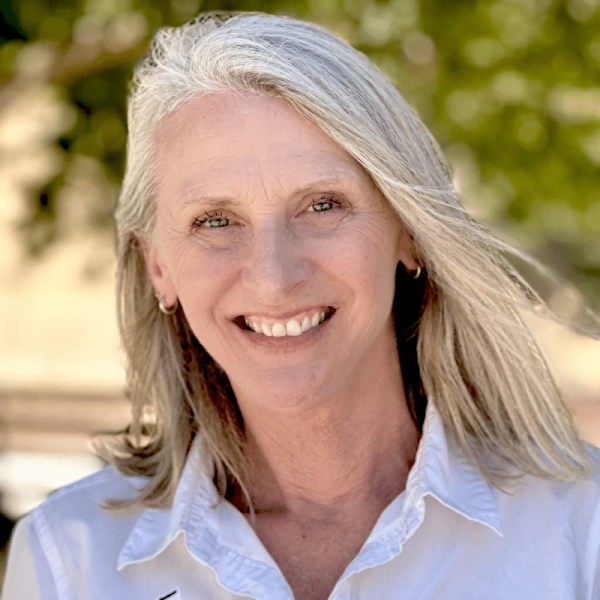

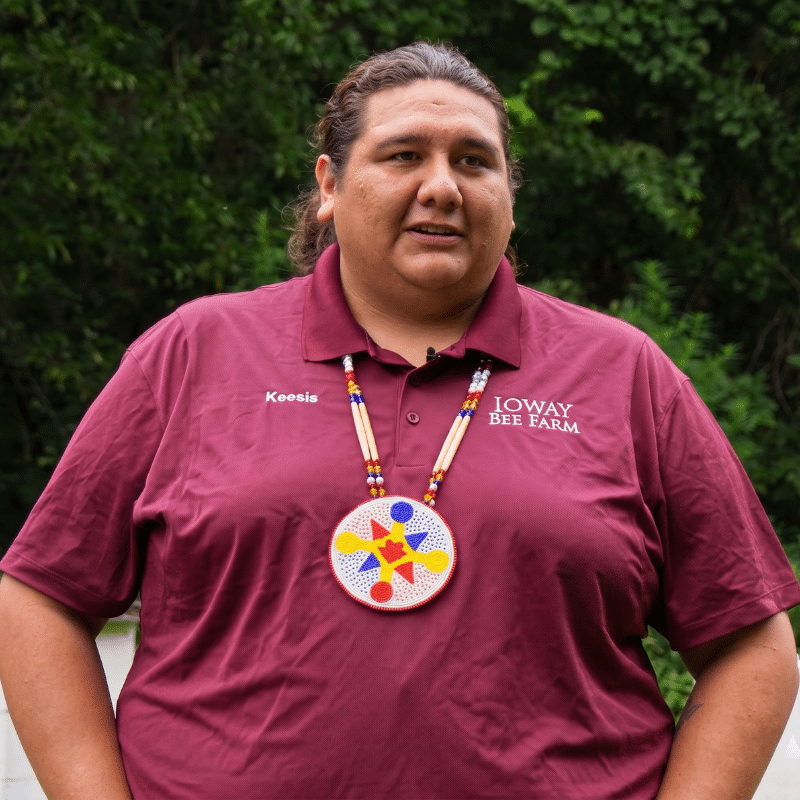
Keesis "Charges At Them" Potts
Ioway Tribe of Kansas and Nebraska
Lead beekeeper at Ioway Bee Farm • Ioway Tribe of Kansas and Nebraska • Advocate for pollinator health and healthier land systems
Keesis tells a clear before-and-after story. He saw what chemical agriculture could do to a hive, then helped show what happens when land is managed in a way that gives pollinators a chance to survive again.
Location
ORGANIZATION
Role
Focus
Keesis's story begins with bees lost to chemical exposure and grows into a larger story about what pollinators reveal when the land around them starts to change.
After returning home and placing hives on tribal land, Keesis saw an entire colony die after neonicotinoid exposure. That loss became a turning point. Instead of backing away, the work moved toward fewer harmful inputs, no GMO crops, and land practices that gave bees a better chance to survive.
He does not talk only about honey bees. He speaks with equal respect about native pollinators and the wider habitat they depend on. For Keesis, healthy bees are a sign that the land itself is becoming a healthier place to live.
Why Keesis "Charges At Them" Potts Matters
Keesis matters as a Farm Hero because he makes damage visible. Pollinators show quickly whether a place is being poisoned, neglected, or brought back into balance.
He also makes recovery visible. Healthier bees, fewer chemical inputs, and stronger public interest all point to the same truth: when land changes, living things respond.
"With the regen practices, our bees are really surviving this year."
Farm Hero chose Keesis because his work connects humility, stewardship, and proof. The bees do not care about branding. They respond to the conditions people create.
Farm Hero — Kansas
Keesis connects pollinator loss, chemical exposure, and regenerative change into one practical story about healthier land and healthier hives.