
David Sundberg
Center of Excellence for Regenerative Native Agriculture (CERNA)
Lead Instructor of Regenerative Agriculture at CERNA • Educator • Whole-systems thinker
At CERNA, he teaches regeneration not as a trend or isolated technique, but as a way of understanding relationships between soil, plants, animals, people, and the ecosystems they inhabit.
Location
ORGANIZATION
Role
Focus
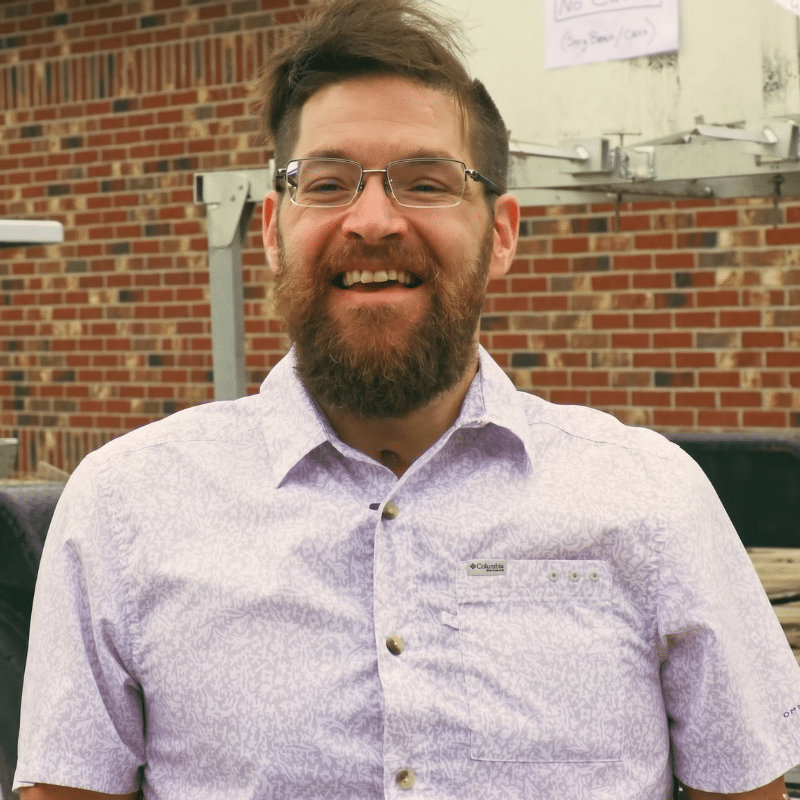
David brings a different kind of authority to regenerative agriculture. He teaches it not as a trend or technique, but as a way of understanding how land, people, and living systems are connected.
His work centers on healing. At CERNA, David helps build a curriculum that bridges modern science with traditional ecological knowledge, treating regeneration as reconnection rather than invention. For him, better farming starts by learning how to respond to the uniqueness of each ecosystem instead of forcing sameness onto the land.
What makes David’s voice distinctive is the way he defines ecology itself. He speaks about interrelation, biodiversity, and whole systems, reminding people that regeneration is not a checklist of practices. It is a way of seeing the world as linked and alive, where the health of one part depends on the health of the rest.
Why David Sundberg Matters
David gives language to the deeper structure of regenerative agriculture. Where others show results on the land, he helps explain why those results happen and what kind of thinking makes them possible.
He stands in the bridge position—connecting science with traditional knowledge, curriculum with stewardship, and technical agriculture with a broader vision of ecology and relationships.
“Ecology is the study of interrelations, interconnected relationships.”
Farm Hero chose David because he widens the frame. He reminds people that regeneration is not only about fixing soil. It is also about relearning how to live inside a system where everything affects everything else.
Farm Hero — Kansas
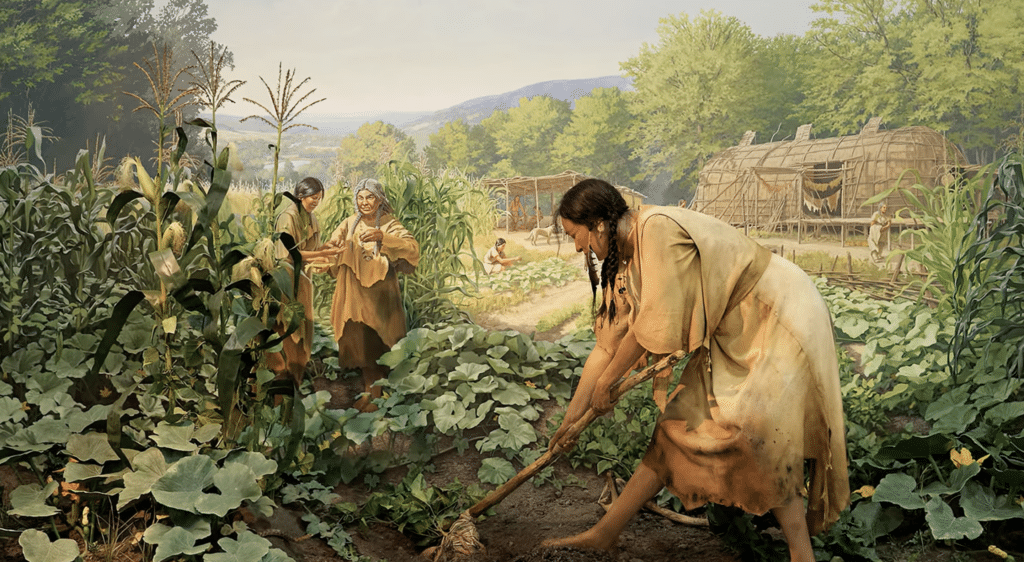
David explains regeneration through biodiversity, whole-systems thinking, traditional ecological knowledge, and the interconnected relationships that make ecology possible.